

Various Artists
River of Revenge: Brazilian Country Music 1929 - 1961, Vol. 1
Death Is Not The End · 2022
 Wassily Minkow
The first part of the collection is dedicated to the Brazilian style música caipira ("countryside music"), which can be considered the Brazilian equivalent of American music Appalachian or Dust Bowl music. This collection includes some of the earliest recordings of música caipira made by folklorist Cornélio Pires in the late 1920s, as well as recordings from the 1930s, 40s, 50s, and early 60s. Música caipira is the precursor of the popular Brazilian style música sertaneja ("countryside music"), which can be compared in importance and recognition to American country music.
Música caipira has its roots in the tradition of moda de viola, which originated back in colonial times. The first Jesuits who arrived in South America used small ten-string guitars brought from Portugal to accompany religious services. In the Brazilian countryside, this guitar was called "viola caipira" or "rural viola." Over time, gold prospectors, Indian hunters, cowboys, and even travelers began taking this guitar on their adventures, giving it the reputation of a musical instrument of wandering bards.
In turn, “modinha” (modinha) or simply “moda” (moda) in Portugal was a genre of solo urban song with love lyrics. When it reached the colony, “moda” naturally adapted to local themes and performance traditions, transforming into moda de viola, which literally means “modinha performed on the guitar.”
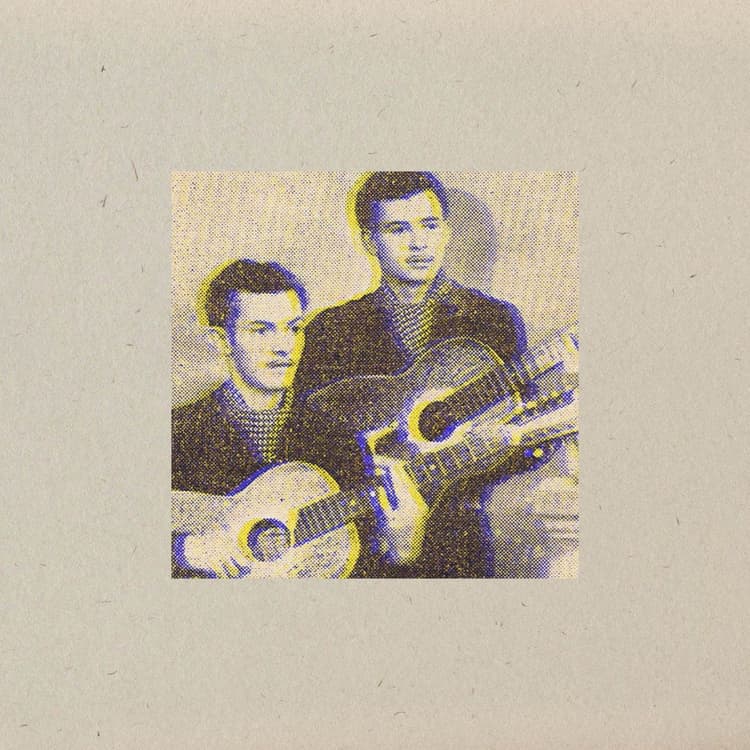
Música caipira is usually performed by a duet, creating vocal harmony in thirds or sixths. Like in moda de viola, musicians play on the “viola caipira,” and the lyrics of the songs, born in sparsely populated regions of northeastern Brazil, tell stories of pain, love, loss, and betrayal. Often, musicians build guitars themselves and tune them to their liking, not following any academic canons.
Translation powered by chatGPT