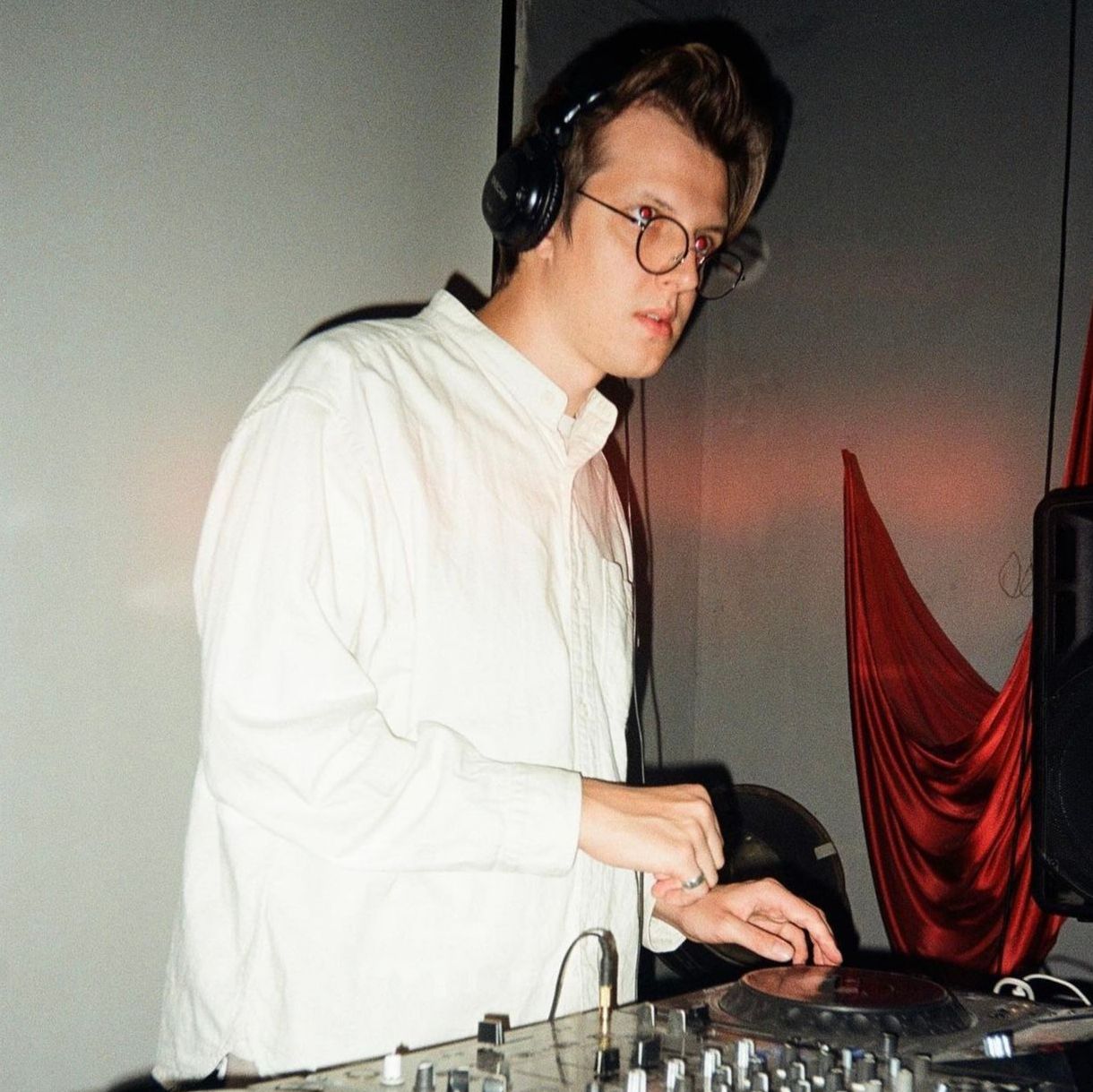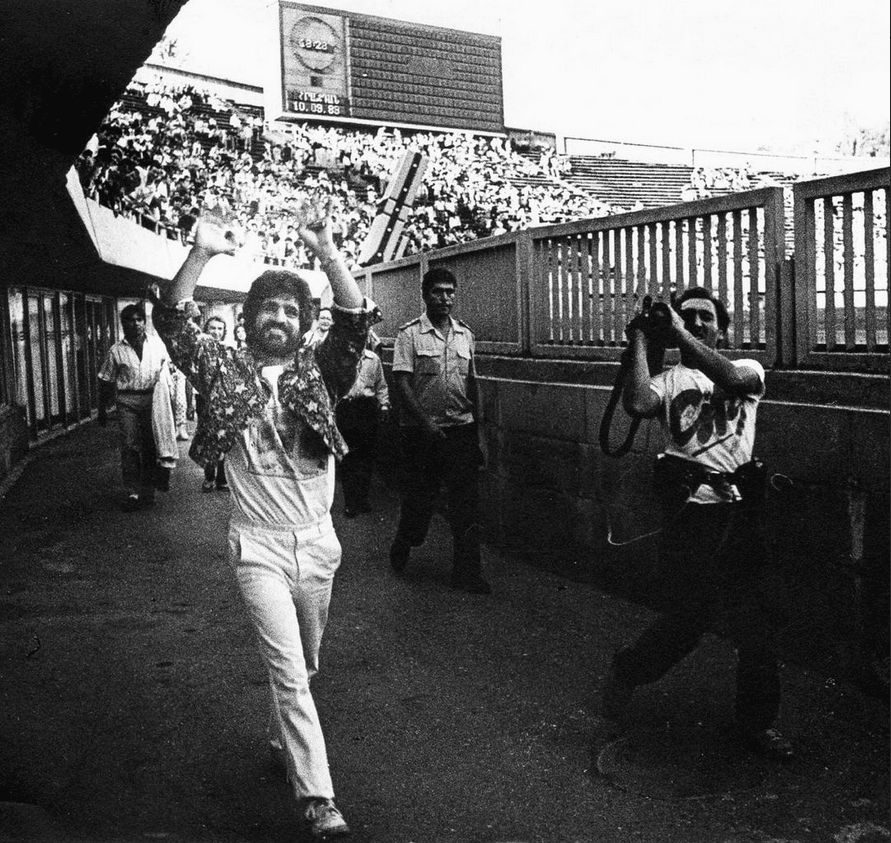
When I arrived in Armenia in 2022, I immediately set myself the goal of creating a playlist dedicated to vintage Armenian dance music — disco, funk, rhythm, and blues. But things didn’t go smoothly with this playlist right away. Armenians are among the top five nations in the Middle East in terms of the amount of funk and disco they’ve produced. But the mastodons I had heard before my trip to Armenia greatly distorted my perception and hindered me from expanding the list. Back in 2019, I heard the reissued record of Hamlet Minasyan by Numero Group, recorded in Iran in 1979 on the eve of the Iranian Revolution. For an entire month after that, I started and ended my day listening to "AlasAlas." That song seemed to me like music for a nonexistent Parajanovlike parable filled with anachronisms from the 80s. Remember in "Ashik Kerib" when the women from the Shah's harem suddenly pull out machine guns and start shooting in the air? Well, it seemed to me that in this nonexistent film, for example, Jason, on his way to the Golden Fleece, might detour to an ancient Armenian kingdom and in the Temple of Mithra, instead of a statue of the sun deity, he would meet Hamlet Minasyan. In 2021, when Karen (the author of this website) and I were at my house listening to the new Altin Gün album, he told me about Harut Pambukchyan. In Karen’s family, his music was always played at gatherings and celebrations. It seemed to me that Harut resembled Altin Gün more than any of the Turkish predecessors. Once again, an Armenian artist stuck in my player for a long time, and Karen and I even decided to try to do something like Altin Gün but in an Armenian style: reworking classic 70s pop songs with funkier and groovier arrangements. Later that same year, Daron Sassounian released an absolutely brilliant compilation Silk Road: Journey of The Armenian Diaspora. Daron spent several years collecting rare Armenian records and compiled the best tracks from 1971 to 1982. The dance potential seemed modest to me, and I hadn’t played the tracks from it anywhere until I reached Armenia, but I still listened with great pleasure. So, when I arrived in Armenia, I was confident that I’d find no fewer hits at the local record markets. There was indeed plenty of interesting music, but a few surprises awaited me. First of all, disco and its electronic offspring like house and techno are not universally perceived as dance music. Even in modern, Americanized urban cultures, rock 'n' roll or salsa are much more popular on the dance floor — so what can we say about places where folk music reigns supreme? Armenians are very patriotic listeners. No matter how many times I played Armenian disco at parties in Armenia, it only resonated with true aficionados. However, folk rhythms in a 10/8 time signature were always a hit. Whether performed by a folk ensemble, Harut Pambukchyan, the legendary singer Boka, or his grandson, the popular singer Zhoka, these rhythms always worked. This is why Armenian disco is exotic, even for Armenians themselves. Not much of it was ever made. Secondly, Soviet disco, rhythm and blues, and funk suffered greatly due to the recording traditions of the time. Petya Chinawat, cofounder of the vinyl store DiG, once recalled a colleague from the Melodiya record company who used to visit his shop and share stories. One was about how, during the Cold War in the 80s, a KGB agent would occasionally show up at the Melodiya studio and tell them to turn down the bass, supposedly because it sounded too American. Disco and funk, which are heavily tied to African percussion and bass guitar, suffered greatly from such lowfrequency discrimination. One of the most striking examples of state security intervention, in my opinion, is Aram Satyan's record Songs. There’s almost no bass on it. So, although the songs have incredible dance potential, you can’t really play them at a party. Thirdly, the Armenian people are known for producing incredible musicians, true masters of their craft. Aram Khachaturyan, Arno Babajanyan, Tigran Hamasyan — these names need no introduction. It’s absolutely clear that Armenia has a strong musical school. But after reaching such icy heights of technical and compositional mastery, it’s hard to descend and make music of simple pleasures, like funk or disco that stirs the blood and body. I can't explain otherwise why Armenian disco tracks have such complex melodic solutions that completely distract from dancing. Listen, for example, to "Siro Gisher" or "Tavih" performed by Raisa Mkrtchyan. Fourth, a melancholic tone pervades many Armenian songs. It’s unclear where it came from in such a sunny land. Perhaps it was inspired by Russian melancholy, which came from the north. Or maybe it’s inherent in the traditions of many cultures connected with Persia. Listen, for example, to "Sazo Avaz" performed by Iranian singer Mohammad Reza Shahidjanyan: Then listen to "Songs of Nostalgia" by the Kurdish singer Ali Akbar Moradi: Then listen to "Imal Enim" performed by the Armenian folk ensemble "Shoghak." Finally, listen to the song "Miayn Kez Hamar" performed by Ruben Matevosyan. Both Iranians, Kurds, and Armenians have this piercing melancholic melisma in their music — the ornamentation of a melody where many notes are sung to one syllable. They have all been influenced by Persian musical culture for centuries. Perhaps this is why this sorrowful style of singing, rooted in traditional music, penetrated into the fashionable dance music of the second half of the 20th century — funk and disco. In general, Armenia opened up a huge world for me, both of authentically performed Westernstyle dance music and music grown from traditional roots. With great pleasure, I present to you a playlist born on this journey.
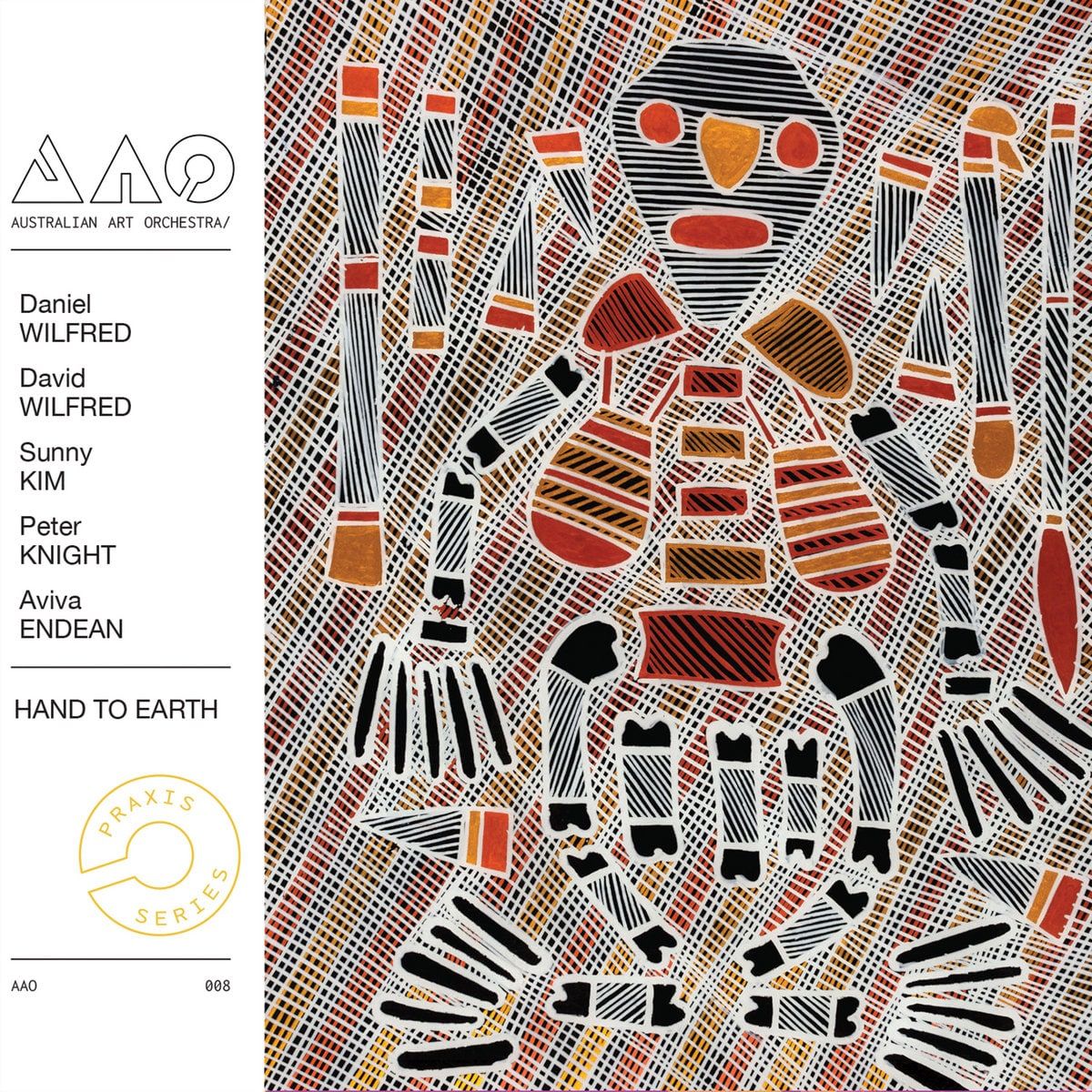
The Australian Art Orchestra — один из лидирующих австралийских «contemporary art music» ансамблей. Своей основной задачей проект видит развитие музыкальных форм, характеризующих реакцию современной Австралии на её музыкальную культуру и историю. В основе их последней работы Hand to Earth лежит песенная традиция yolgnu manikay из юговосточной части Арнемленда, северная Австралия. Несмотря на присутствие элементов джаза и академической музыкой, с которыми обычно работает ансамбль, музыканты стараются оставаться в относительно аутентичном русле. Результат напоминает классическую работу Kiva Стива Роуча, Майкла Стернса и Рона Сансингера, в которой музыканты попробовали соединить церемониальную музыку индейцев Южной Америки с традиционной электронной музыкой, но сделали это очень аккуратно, всего лишь подчеркнув и заострив некоторые элементы и без того сильной традиции. Translation powered by chatGPT
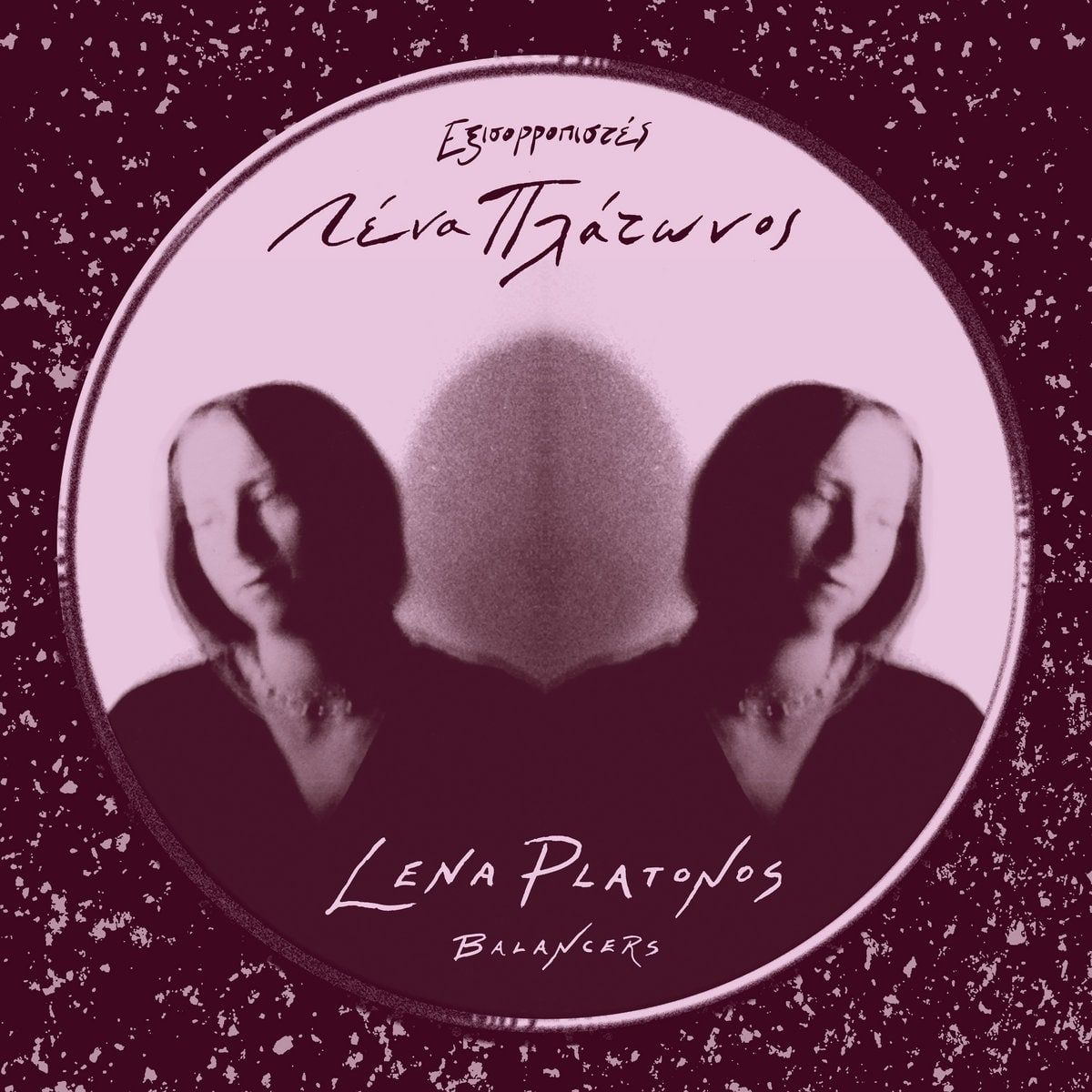
The California label Dark Entries has released a compilation of works by the legend of Greek electronic music, Lena Platonos. The album Balancers consists of previously unreleased recordings made from 1982 to 1985. Previously, Platonos worked with Dark Entries on reissues of her solo albums Gallop, Sun Masks, and Lepidoptera released in the 80s. Platonos is known for her work with avantgarde electronics and impressionistic poetry in Greek. The twelve compositions on Balancers are enveloped in dark soundscapes and jagged analog rhythms, while the poetry is rich in images of Greek mythology in its dark Nietzschean interpretation. Overall, the perfect soundtrack for your next contemporary art exhibition. Russianspeaking listeners may find special interest in the composition Russian Lament (Русский Плач) a poem in Russian read against an abstract sound collage.Translation powered by chatGPT
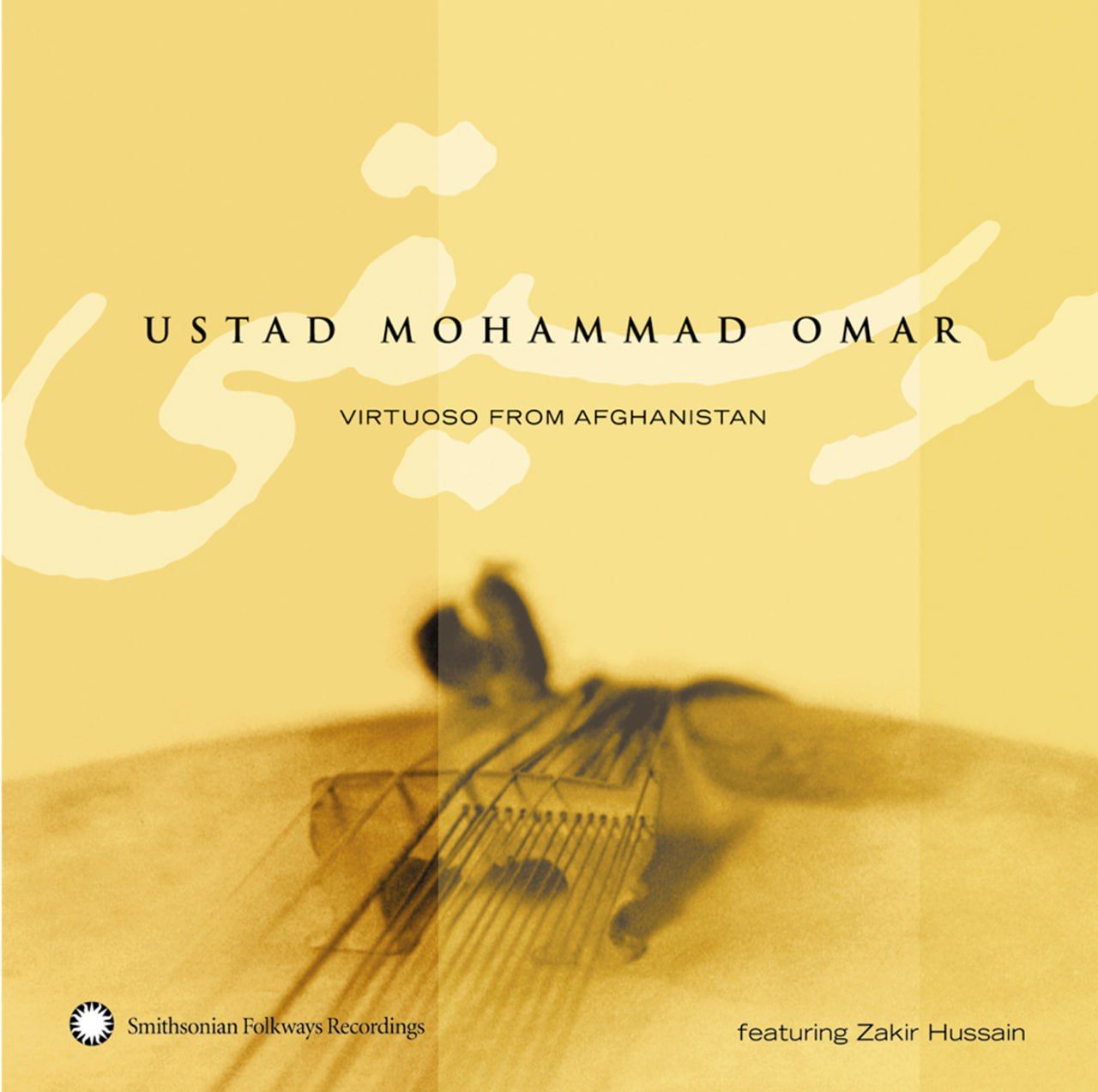
Mohammad Omar is one of the most famous performers on the rubab&usgAOvVaw2cvlNsSlohECKDoI0NasBU). Until the 1980s, he led the orchestra of Radio Kabul, which included musicians from all over Afghanistan, and in 1974, he became the first Afghan musician to give lectures in Washington. Omar's first performance in front of a Western audience took place there. Most of his works consisted of shakal, an improvisational introduction in one musical mode, and nagma, a composition in the same mode with a complex rhythm and a repeating melody. Accompanying Omar was the master of the tabla, Zakir Hussain). The musicians met for the first time in the morning before the concert and found out that they spoke different languages. Fortunately, this did not prove to be an obstacle. The concert was so well received that its recording was distributed worldwide for many years, but only in 2002, a year after the retreat of the Taliban from Kabul, was it officially released.Translation powered by chatGPT
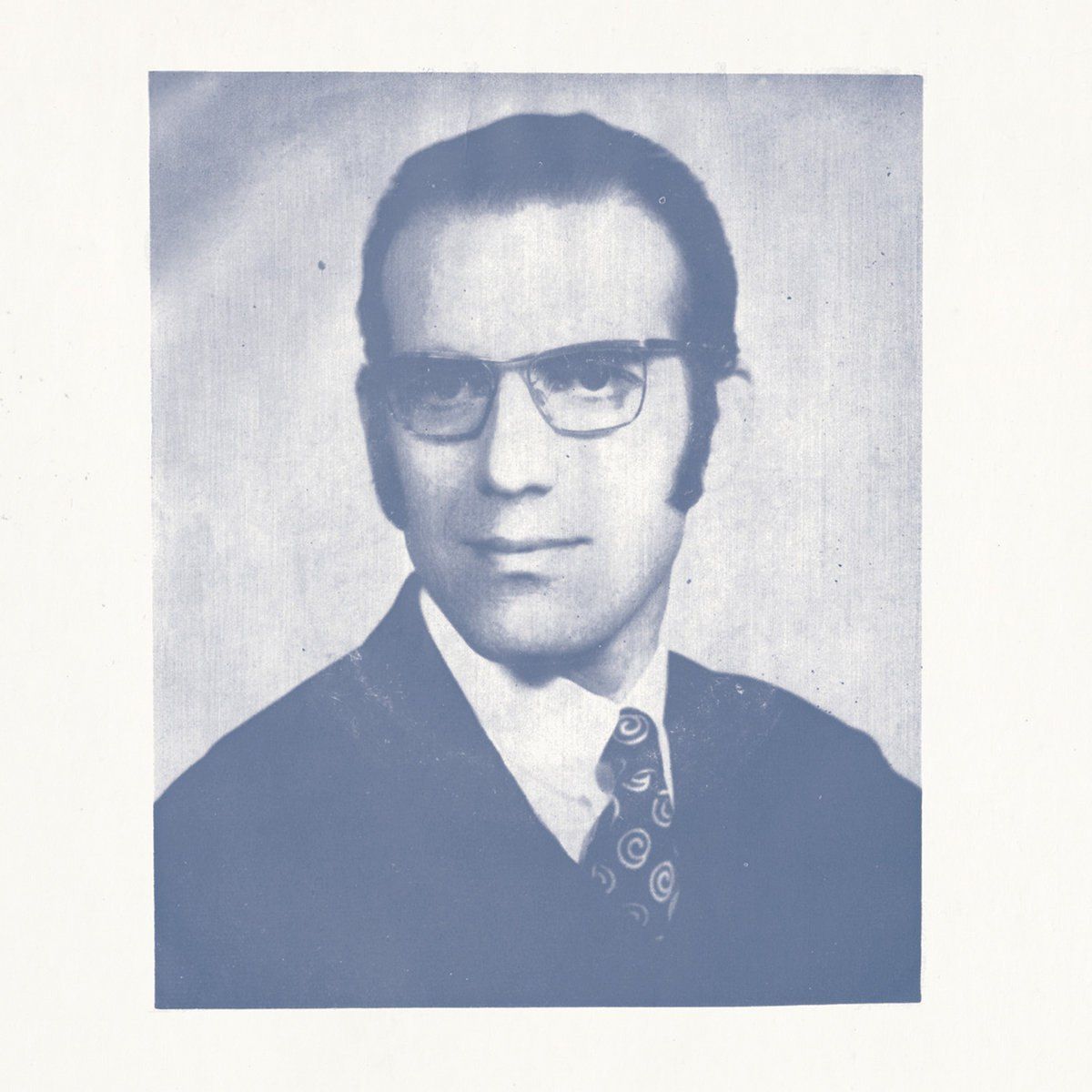
Collection of works by Afghan singer Mohammad Sadiq Fitrat, also known as Nashenas, which in Dari means "Unknown" (ناشناس). These songs were recorded at Radio Kabul studio and later released on the Iranian label Royal. Nashenas comes from the ancient Pashtun tribe, whose members had connections with the clergy. The singer revealed that he took on this pseudonym so that his relatives would not find out about his musical activities, as the Muslim community does not always consider this profession righteous. Nevertheless, in 1951 Nashenas began performing on Radio Kabul, marking the start of his career. He gained popularity by performing the verses of famous poets and songs from movies. Nashenas witnessed turbulent times for Afghanistan but remained in the country until the early 90s. He now lives in London and continues to tour around the world.Translation powered by chatGPT
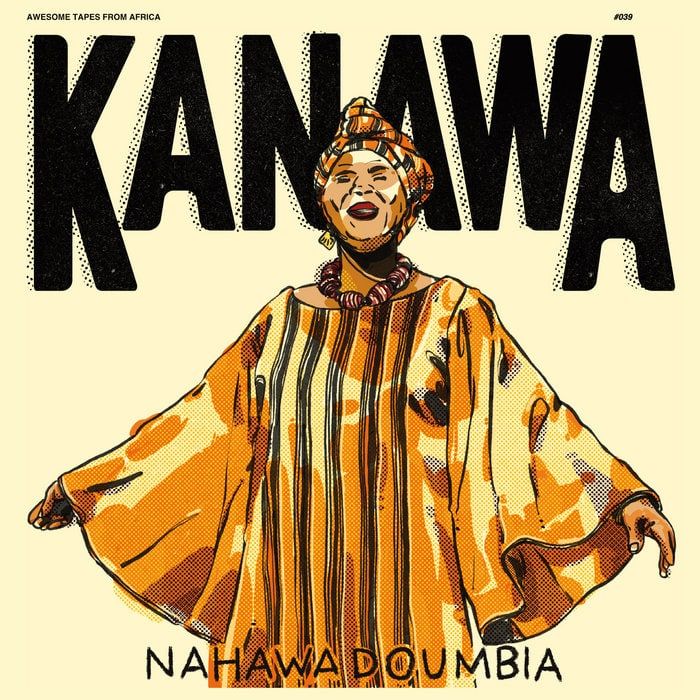
Nahawa Doumbia a Malian singer, whose career has been lasting for over 4 decades. During this time, she has greatly influenced the development of the Malian style Wassoulou. Despite this, for a long time Doumbia could not pursue music because she was born into the caste of blacksmiths. In 1981, together with guitarist N'Gou Bagayoko, the singer released her debut album La Grande Cantatrice Malienne. Subsequently, Bagayoko became Doumbia's husband. He also produced her latest work. The main theme of the poetry on the latest record is terrorist attacks of the West African branch of ISIS, French military interventions, slave trade, emigration, mass strikes, protests, and a state coup in Mali. The album was recorded in Bamako, at the studio of another famous Malian singer Salif Keita.Translation powered by chatGPT
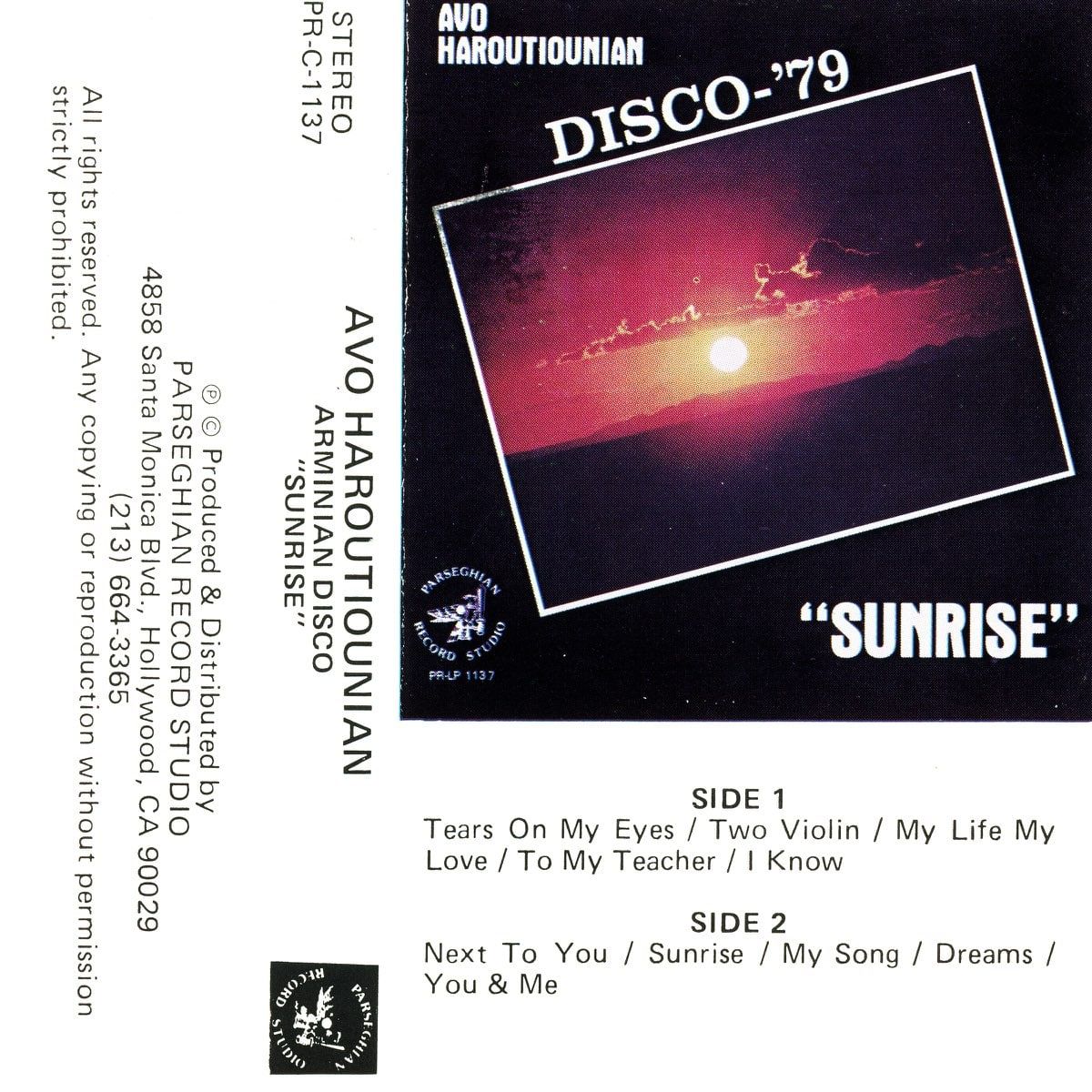
Very rare vinyl record by Armenian musician Avo Arutyunyan, recorded and released on the Parseghian Records label after Arutyunyan settled in Los Angeles. Parseghian Records is the largest producer and distributor of Armenian music in the world. The label opened its doors in Little Armenia (Hollywood, California) in 1948. In 2021, Avo Arutyunyan's composition Tears On My Eyes was featured on a compilation by Daron Sasunyan, dedicated to funk and disco of the Armenian diaspora.Translation powered by chatGPT
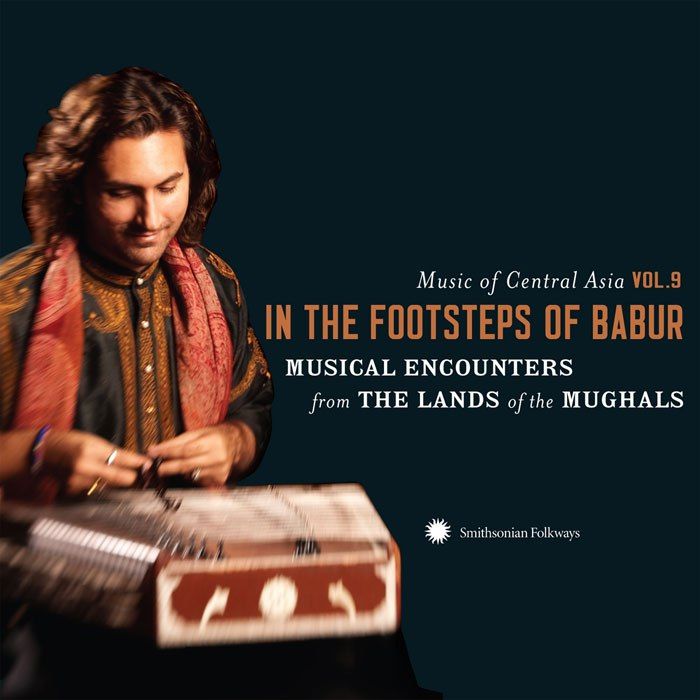
In the month of Ramadan in the year 899 and at the age of twelve, I became the ruler of the Fergana country," begins the autobiography of Zahiruddin Muhammad Babur, the founder of the Mughal Empire. Thanks to Smithsonian Folkways Recordings and the charitable organization of Karim Aga Khan, the leader of the Ismaili Muslims, five musicians from Central Asia, Afghanistan, and Northern India came together and recorded a collaborative album showcasing the musical diversity of the territories once known as the Mughal Empire. The musicians include the performer on the Indian santoor Rahul Sharma, the performer on the Afghan rubab Homayun Sakhi, AfghanAmerican tabla virtuoso Salar Nader, Badakhshan setar player Mukhtor Muborakkadomov, and master of the dutar Sirojiddin Juraev.Translation powered by chatGPT
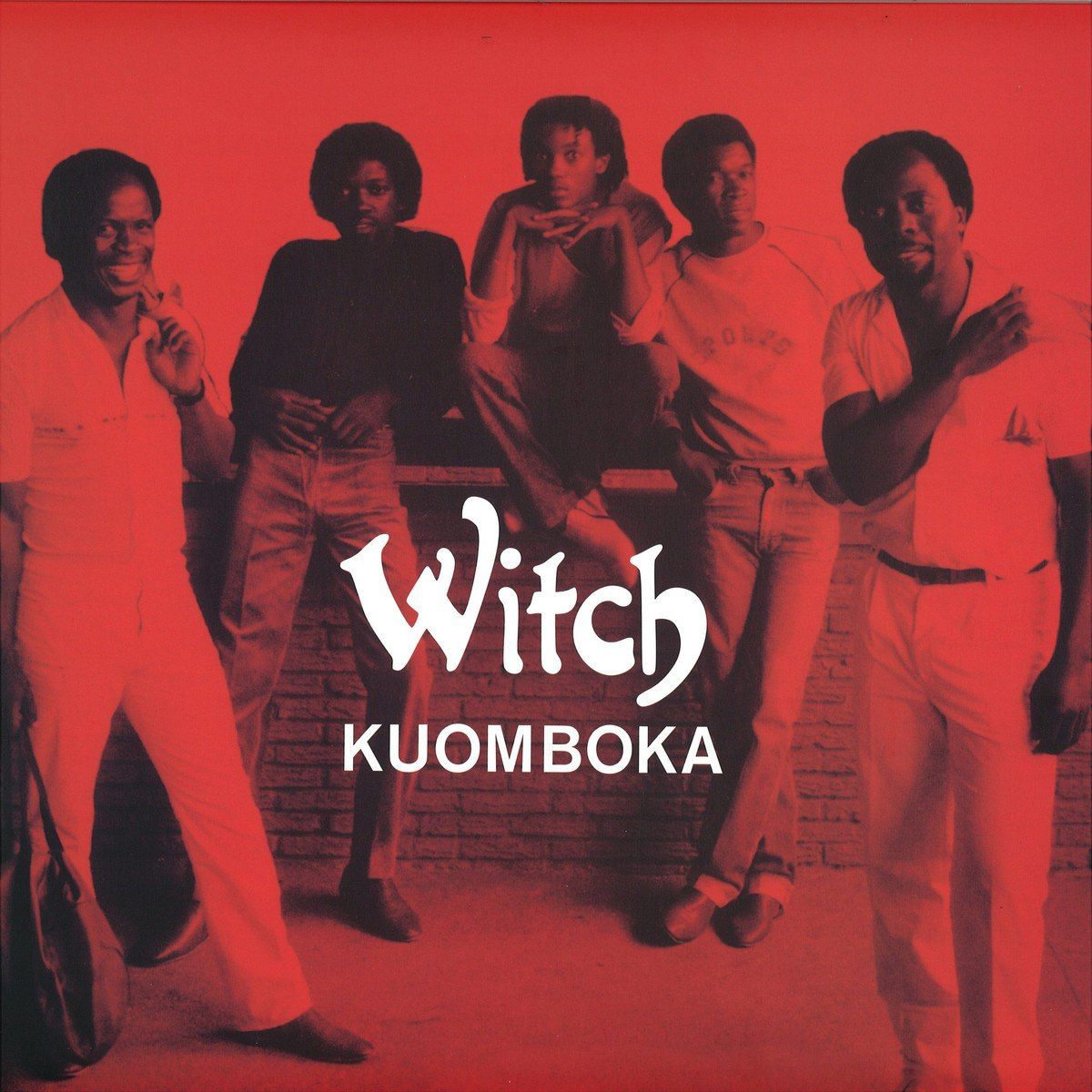
Kuomboka the last album of the Zambian group Witch released in 1984 after a nearly fortyyear hiatus. Despite previously playing predominantly psychedelic rock, on this album they switched to discoboogie and also delved into exploring their Zambian roots, which is reflected in the rhythms and even the album's title. The album was reissued in 2014 on the Invisible City Editions label.Translation powered by chatGPT
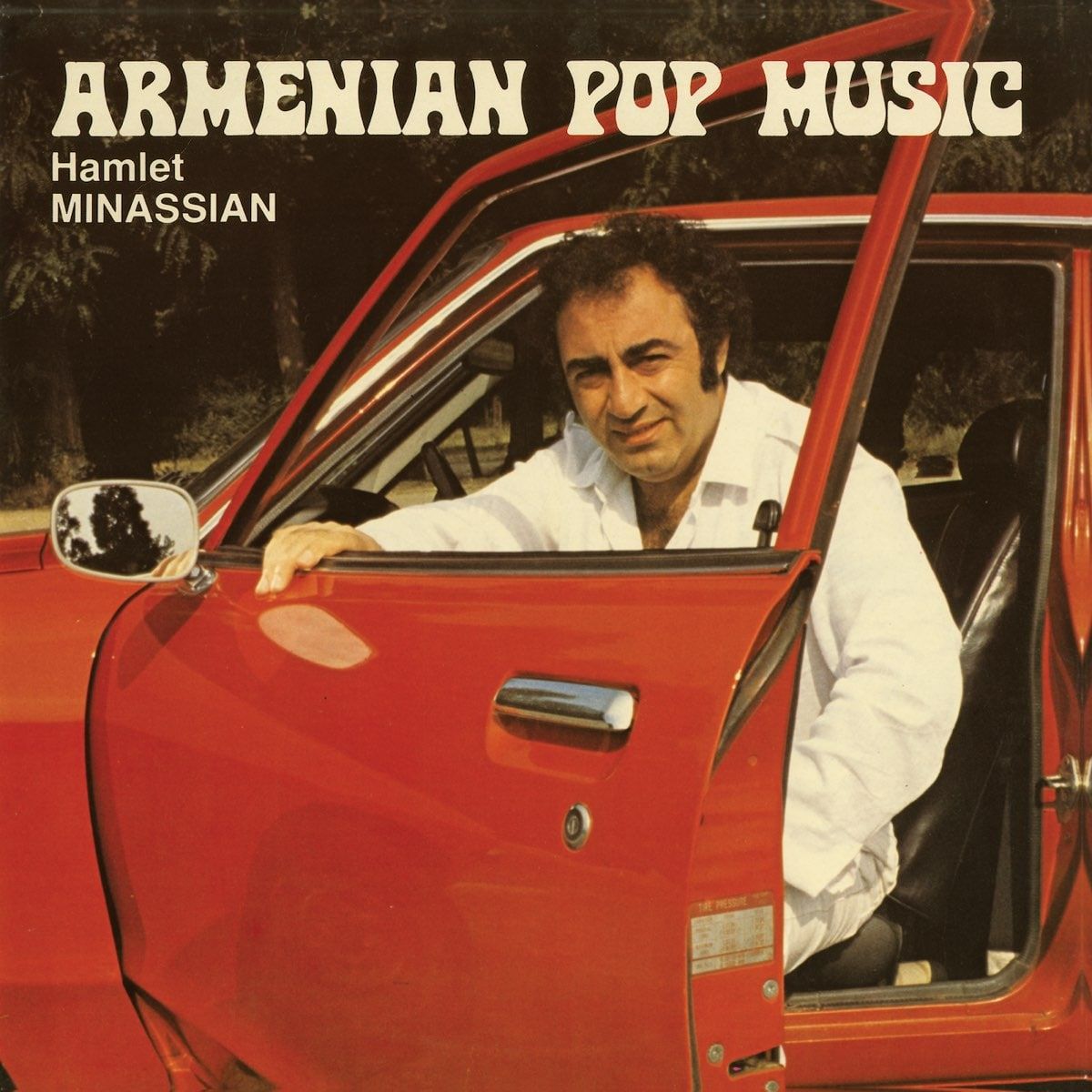
Solo album by Hamlet Minassian is an artifact of the forgotten culture of dance music from the Middle East. The recording took place in western Iran shortly before the 1979 revolution, after which it was almost outlawed. Even in such turbulent times, Minassian managed to reinterpret traditional Armenian music and successfully blend it with the thenpopular disco. In 2019, the album was reissued by the Chicagobased label Numero Group. Translation powered by chatGPT
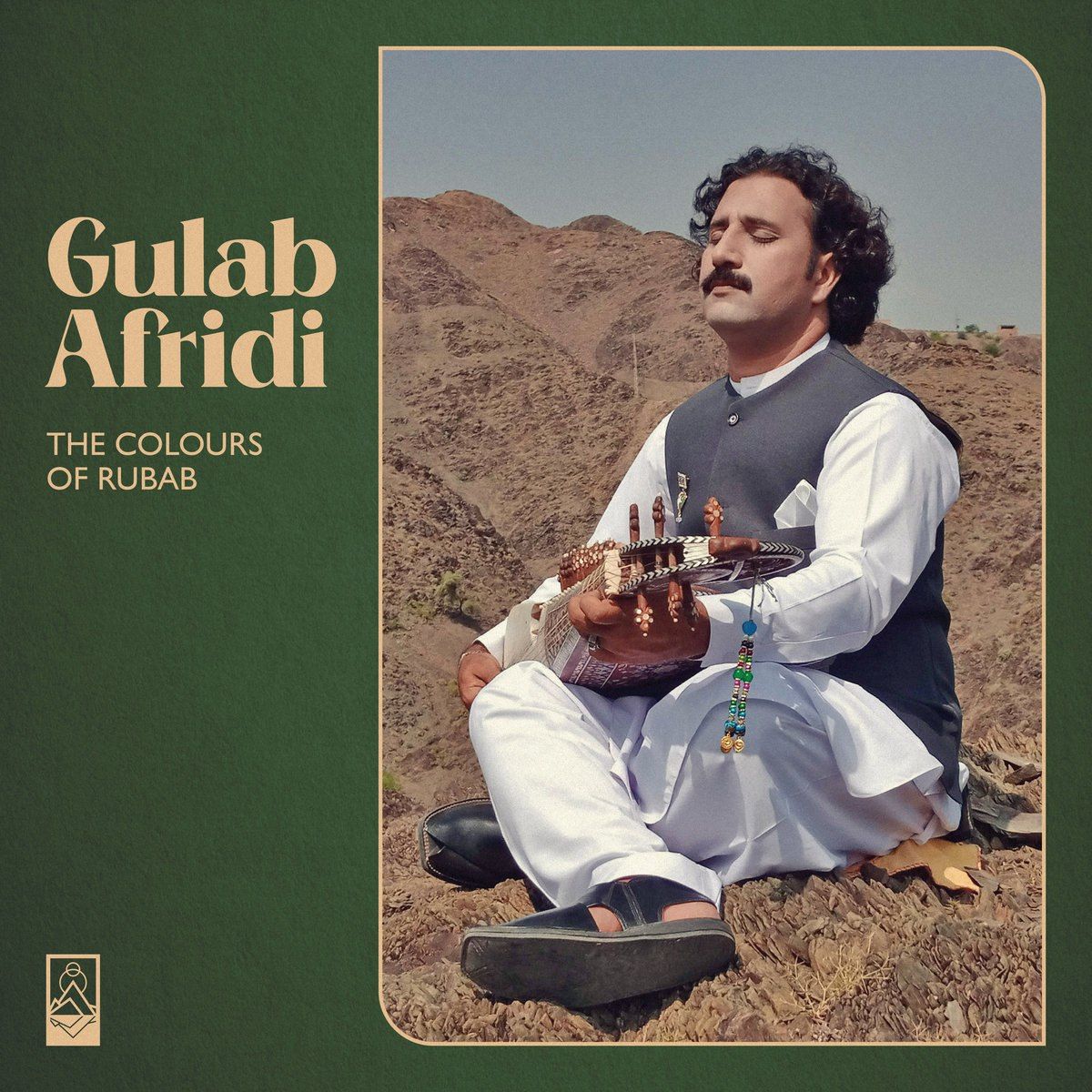
Gulab Afridi a musician from Peshawar, one of the most famous Pakistani performers on the rubab. His style traces back to the traditional music of the Pashtun regions of Pakistan, as evidenced by his instrument, adorned with sparkling ornamentation and smaller in size compared to instruments of Afghan make. However, in Afridi's style, we can also detect the influence of Afghan classical music, especially in the composition "Raag Yaman (I)," reminiscent of the virtuosic, innovative play of Homayun Sakhi, who lived for some time in Peshawar. Afridi's dedication to the rubab has earned him numerous awards, including the "FakhrePeshawar" ("Pride of Peshawar") award, "FakhrePakhtunhwa" ("Pride of Pakhtunhwa"), and the "Asian Melody" award. Gulab also participated in the "2017 UNESCO Culture Caravan," culminating in a performance in Lahore. Translation powered by chatGPT
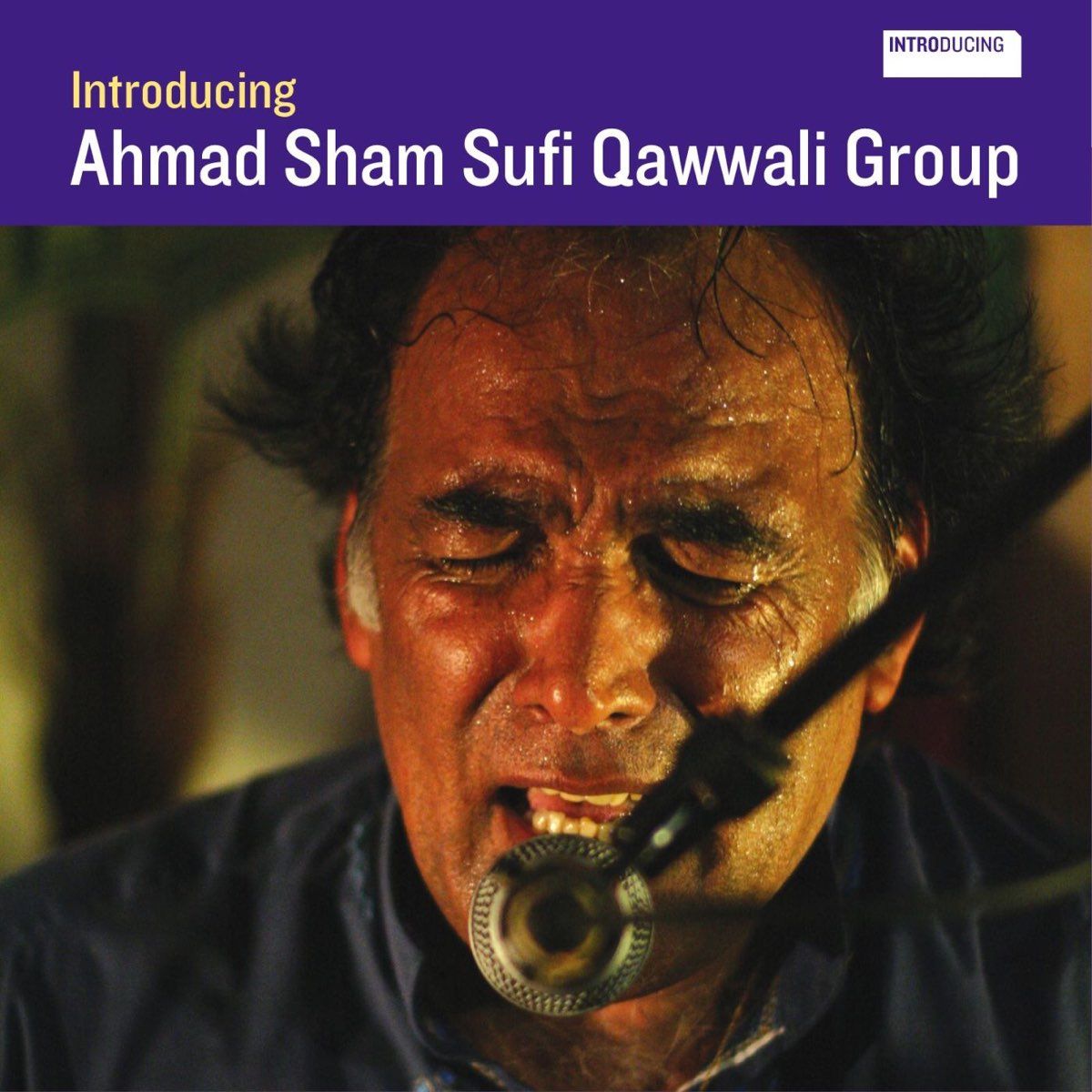
In the 13th century in India, Sufi Amir Khusrau from the Chishti order combined Persian, Arabic, Turkish, and Indian spiritual song heritage and created a tradition known today as qawwali. The ensemble of Ahmad Sham is one of the most respected groups performing qawwali in Afghanistan. This country is one of the centers of Sufism, where music is an important element of spiritual rituals for many directions. Several of the most renowned Sufi saints hailed from modernday Afghanistan. Primarily, the poet Rumi was born in 1207 in Balkh. In 2013, Ahmad Sham recorded the only album with his group on a Western label, but judging by the occasional recordings of his performances that appear online, he is alive, well, and continues to practice his art. Translation powered by chatGPT